
The spa in this article is a representative composite, built on how two-location spas typically operate, and not a named client. No figures appear beyond what is printed on the product box.
Six in the evening on a weekday, at the checkout counter of a spa. The last facial client is paying with their coat already on, the coordinator is closing the day’s appointments on the second screen, and there is a pause between the card tap and the door that neither of them has ever used for anything. In the composite spa this article follows, that pause is where a small jar now lives. A counter SKU is the product built for exactly that gap: a purchase that needs no consultation, no shelf visit, and no sentence longer than the one it takes to say the name.
What makes a counter SKU
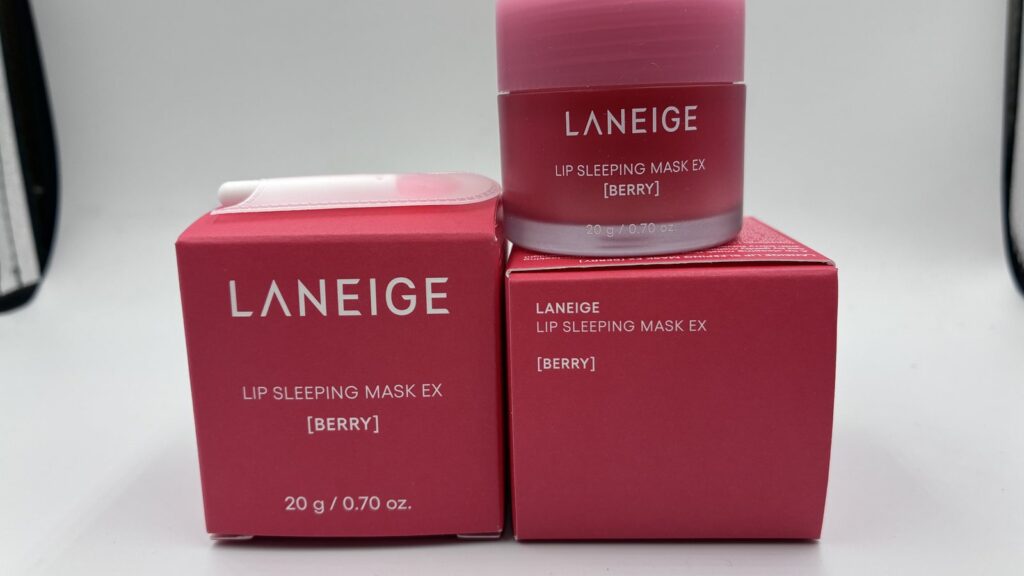
Three conditions. The price is low enough that the decision is made without a budget thought. The product is known well enough that the client does not need it explained. And the purchase does not depend on skin type, service history or a professional opinion, so anyone on the team can offer it. The Laneige Lip Sleeping Mask meets all three conditions of a counter SKU. It is a product most US prestige-retail shoppers could name unprompted, sold in a small jar of 20 g / 0.70 oz, and it needs no introduction at the desk beyond its name.
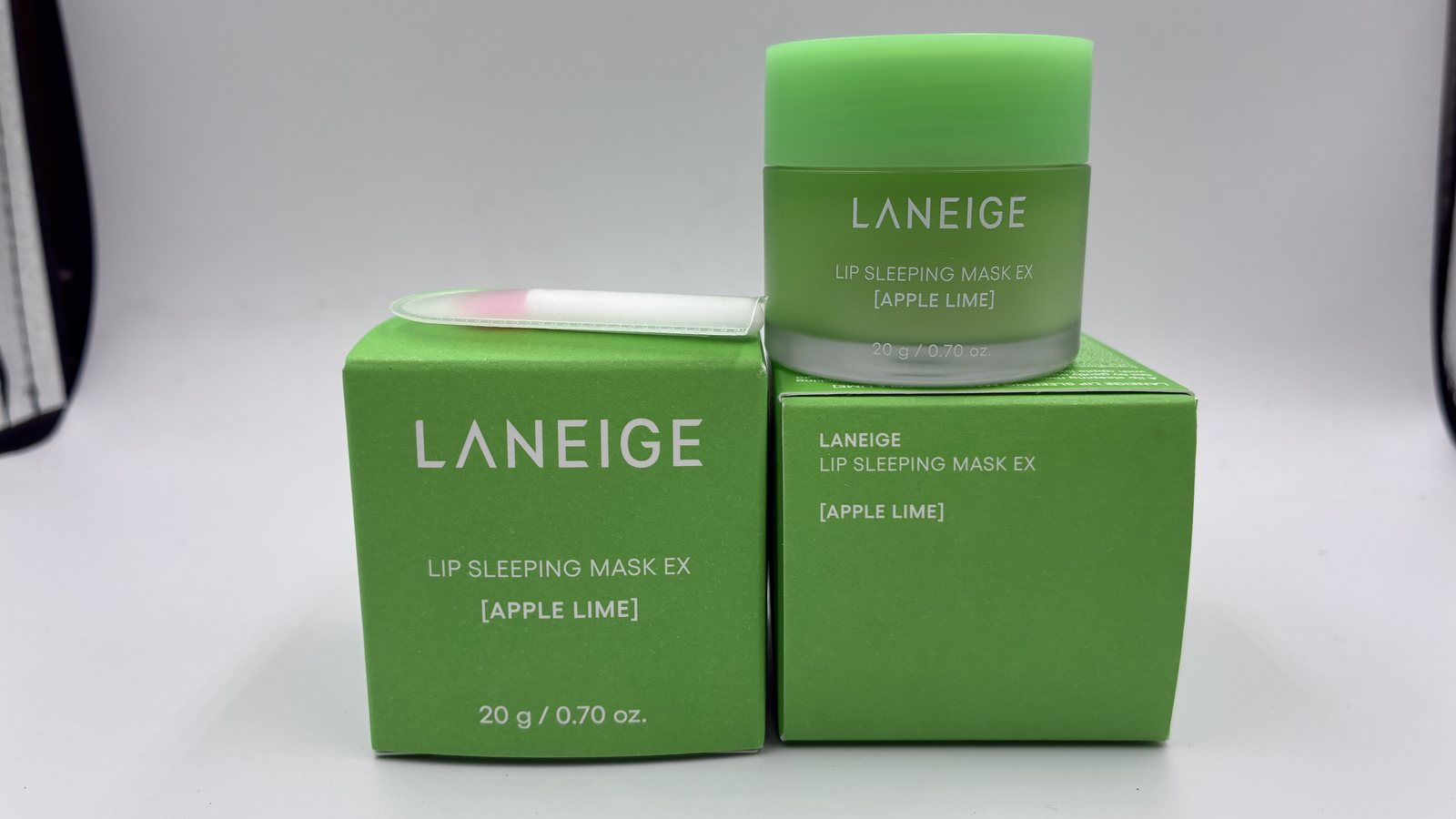
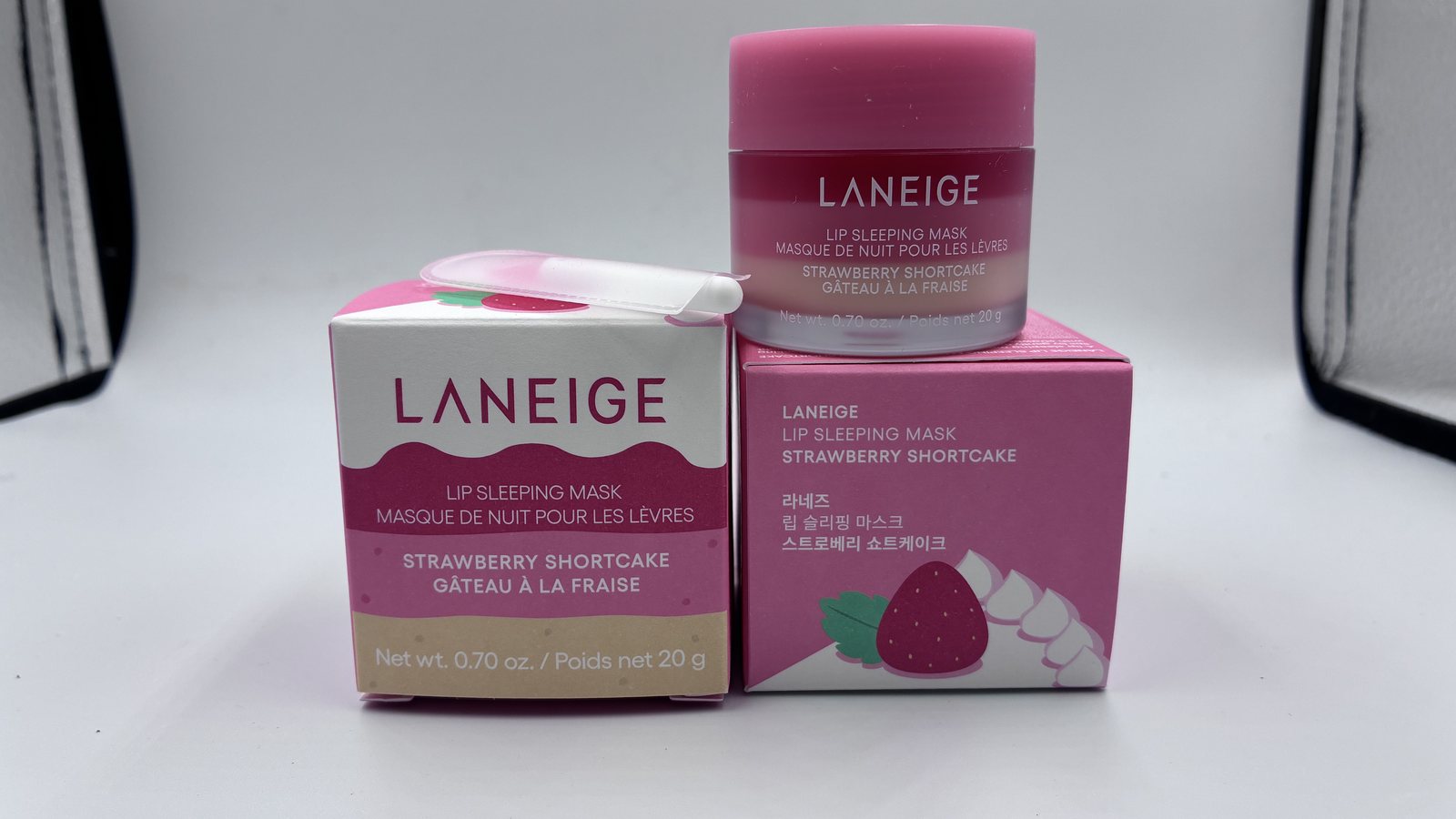
The fourth condition is what makes this particular product better at the counter than a single hero SKU: it comes in flavors. In this shipment there are four. Berry and Apple Lime arrive in the EX pack with English-only fronts, in a pink-red jar and a green jar. Strawberry Shortcake and Sweet Candy arrive in bilingual EN/FR boxes. Four options turn the question at the desk from “would you like one” into “which one”, and the second question is much easier to answer yes to.
Before: a retail wall across the room
The composite spa ran two locations with the same layout: a retail wall opposite the desk, stocked with the serums and cleansers that need a consultation, and a desk that carried nothing but the card reader and a bowl of mints. Retail attach belonged entirely to the esthetician, who had one conversation to spend in the treatment room and spent it, correctly, on the products that needed them. Anything small and impulse-shaped sat on the wall, unmentioned, and sold when a client happened to notice it.
The owner’s frustration was not with the wall. It was with the desk. The coordinators, trained and personable, had no product they were permitted to bring up, because every product on the wall came with a “have you talked to your esthetician about this” attached to it.
Placement, and who says the sentence
The change was physical first. Four jars moved to the desk, within reach of the card reader, lids facing the client so the colors read as flavors: the pink-red Berry, the green Apple Lime, and the two EN/FR boxes beside them. Nothing else joined them. A counter with one product is a counter; a counter with a crowd is a second retail wall, and the client reads it as one.
The change in ownership came next. The sentence belonged to the front desk, not the esthetician, and it was written down so both locations said the same thing: “The Laneige lip mask is on the counter in four flavors if you want one for tonight.” The esthetician was released from ever mentioning it, which returned the treatment-room conversation to the products that needed a professional. Training took an afternoon per location and consisted mostly of learning the names: which jar is which, and which pack is which.
Tracking the reorder across two locations
The reorder was tracked by variant, not by product. Each location kept its own par level per flavor, counted the counter at close, and sent the count to the owner on the same day each week. The two locations diverged in taste almost immediately, in the way two neighborhoods do, and the divergence became the ordering pattern rather than a problem to be corrected. Both counts fed a single purchase order placed through the spa’s sourcing partner, so the two locations were not negotiating separate small shipments.
The packs raised one file question. Two flavors arrived in the EX pack and two in EN/FR packs, and both routes went through the same labeling check before they reached either counter. A pack printed for one North American retail route is not automatically a pack that meets US cosmetic label rules, and the counter is not the place to find that out. General information only, not legal advice: have qualified counsel confirm the labeling and classification of any pack before it goes on sale.
What changed, described in words
- Attach rate rose at the desk, at both locations, without any change to the treatment-room conversation.
- The esthetician’s retail conversation shortened, because the small purchase no longer competed with the considered one.
- The coordinators had a product they could offer without fear of saying the wrong thing, and began offering it to walk-in and gift-card clients as well.
- The reorder cadence settled after a few cycles, by flavor and by location, and became a standing line on the monthly order.
- The owner stopped thinking of the desk as a payment point and began thinking of it as the smallest shelf in the building.
None of this required a new category, a new client or a new service. It required a jar the client already knew, placed where the decision could be made in the time it takes a receipt to print.
The jar-sized decision
For a counter SKU, Luxmetics selects the variants and pack routes, splits one order across locations, checks both pack types at compliance intake ahead of freight, and writes the desk sentence and the flavor card so both locations open with the same words. The jars arrive ready for the counter rather than the wall.