
The case below is a representative composite, built on how first orders typically run through our sourcing desk. It is not a named client, and it contains no quantities, prices or dates, because none of them would be yours.
The email that starts a first K-beauty order is usually one word long. “Yes.” A med spa owner with one location has read the line sheet, looked at the warehouse photographs, and answered. At that moment nothing physical exists on their side of the ocean. Between that reply and a master carton on their loading dock lie several weeks of questions, photographs and documents, most of which they will never think about if the desk does its work, and all of which they will think about if it does not. This is that sequence, in the order it happens.
The shortlist is written against the menu
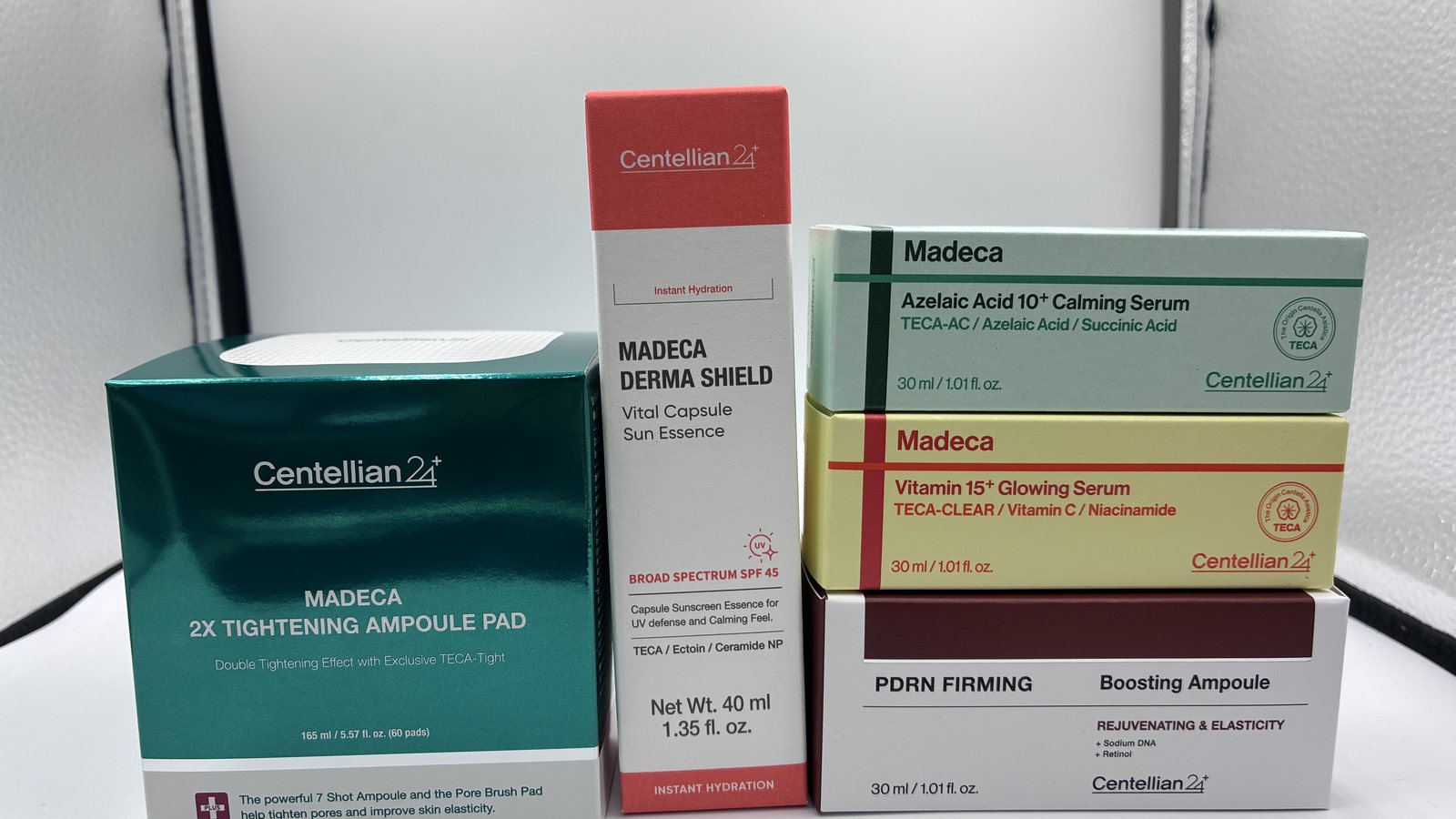
They did not order sixteen SKUs. They started from their service menu and asked which products belonged to conversations their team already has. The firm conversation took the MADECA 2X Tightening Ampoule Pad for the treatment room and the shelf, and the PDRN Firming Boosting Ampoule for retail. The calm conversation took the Expert Madeca Cream for the shelf and the Madeca Azelaic Acid 10+ Calming Serum for behind the desk. The overnight conversation took the Biodance Bio Collagen Real Deep Mask and the Laneige Bouncy & Firm Sleeping Mask. The counter took two of the four Lip Sleeping Mask flavors. Three brands, eight SKUs, one order, and a note beside the Madeca Derma Shield Sun Essence that read “ask”.
Four questions come back from Seoul on a first K-beauty order
The desk’s reply to “Yes” is a short list of questions, and the shape of the order is set by the answers.
- Target quantity per SKU. Each brand carries its own minimum order, and the desk’s job is to show where the shortlist clears each brand’s threshold and where it does not, before any total is discussed.
- Shelf life expected on arrival. Korean cosmetics commonly carry a stated shelf life from manufacture, and a buyer should say how many months they need remaining when the carton is opened, so the desk can check production dates against that figure rather than against the word “fresh”.
- Who is the importer of record. The name on the entry carries the MoCRA listing and labeling responsibilities, and it has to be settled before documents are drafted, not at the port.
- Which SKUs sit in the drug lane. The sun essence, with “Broad Spectrum SPF 45” and “Net Wt.” on its box, is an over-the-counter drug in the US and travels a different paperwork path. The azelaic serum, at a cosmetic level, stays a cosmetic as long as nobody describes it as a treatment.
In this case they answered the fourth question by leaving the sun essence for a second order, which is the most common first-order decision the desk sees.
The regulatory points above are general information and not legal advice; classification and labeling of each SKU should be confirmed with qualified counsel.
Photographs change hands before money does
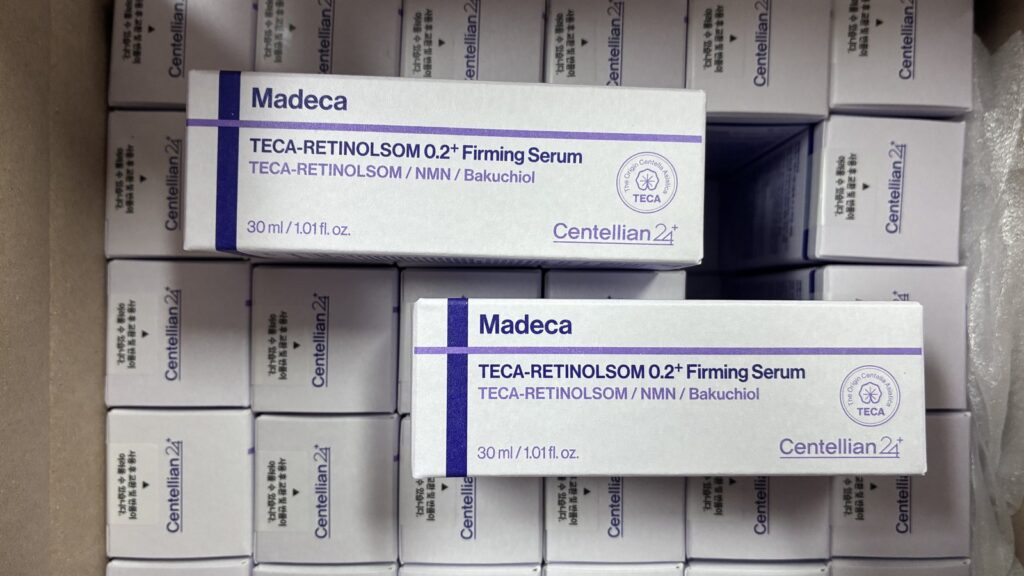
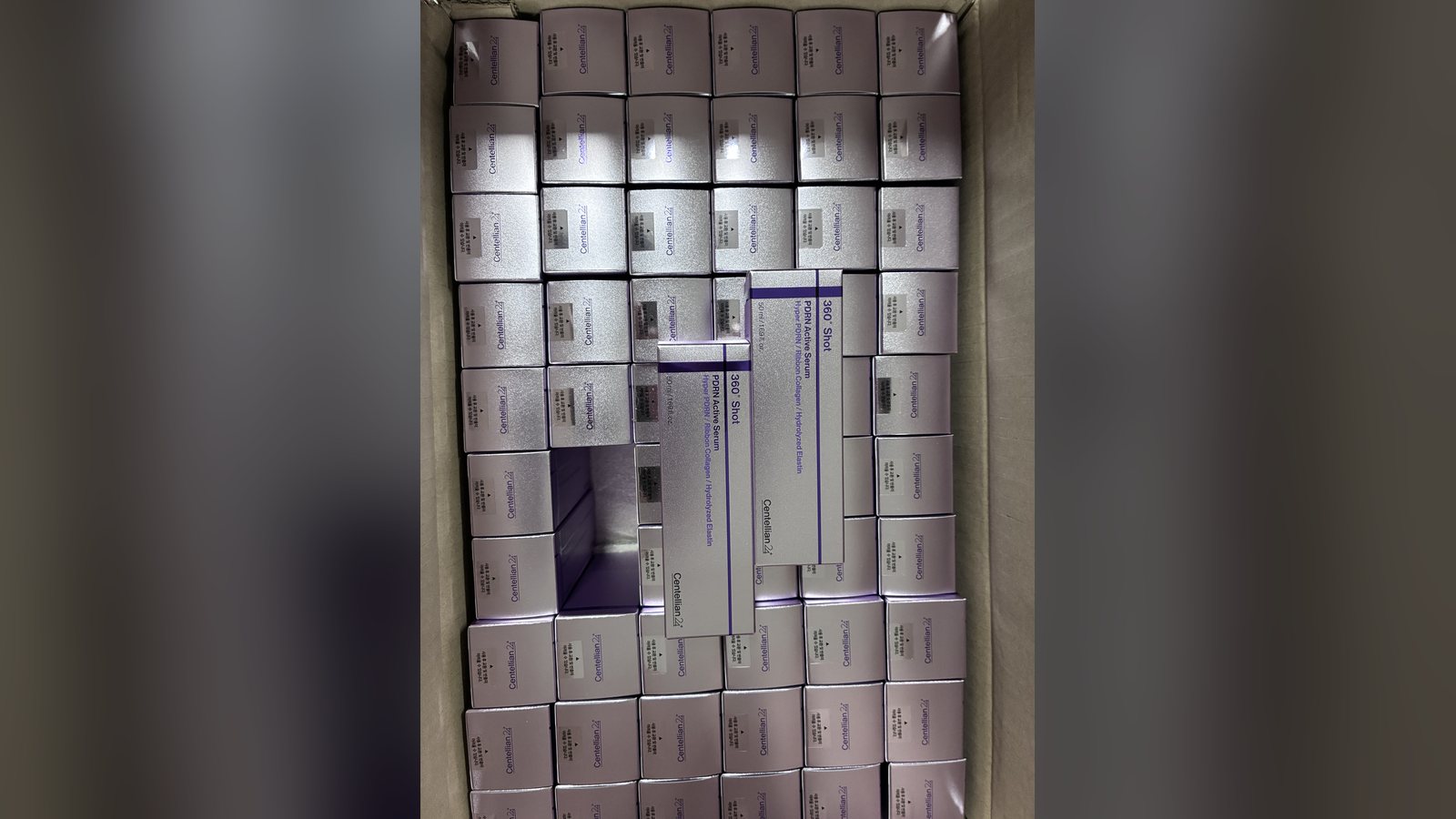
Nothing is paid until the buyer has seen what they are paying for, and on a first K-beauty order “seen” means a specific set of photographs per SKU: the front panel, the back panel with the ingredient list and the space where a US responsible person appears, and the master carton label with item code, lot, manufacture and expiry dates, and units per carton.
Two things surfaced in the photographs that the line sheet had not shown. The Laneige lip masks existed in two pack routes in the same warehouse, an English-only “EX” pack for Berry and Apple Lime and an English/French bilingual pack for Strawberry Shortcake and Sweet Candy, so choosing two flavors also meant choosing a pack route, a decision that is part merchandising and part labeling compliance. And the Biodance Hydro Cera-nol mask, which they had considered, was photographed as loose sachets, so they held it rather than order a SKU they had not seen boxed. Payment followed the approved photo set, not the line sheet.
The documents that ride with the carton
With the shortlist fixed and the photographs approved, the desk becomes exporter of record for all three brands and produces one document set: a commercial invoice with one line per SKU, a packing list that maps those lines to cartons, the transport document from the forwarder, and the ingredient documentation the broker needs to classify each line. Them broker received the set before the freight moved, so the questions were answered while the pallet was still on a floor in Korea. The order left as one booking, at the pace of the slowest of the three brands, which on a first order is the fact buyers least expect and most need to plan around.
Intake: the carton is opened
On arrival the receiving team counted units against the packing list, not cartons against the transport document, checked lot numbers and expiry dates against the pre-payment photographs, and pulled one unit of each SKU for the training shelf. The pads went into the treatment room the same afternoon, because the team had been briefed on them before the truck arrived. The retail shelf followed once the front desk could say the printed words for each box without reading them. The first reorder conversation began the same week, this time with each brand’s calendar known.
What the desk carries between yes and the dock
Luxmetics runs this sequence for a first K-beauty order: SKU selection against the menu, the four questions, the pack and carton photographs, a label and lane review per SKU, export documents and freight as exporter of record, and a short training brief for the team before intake. The one-word email is the buyer’s part. The rest is ours.