
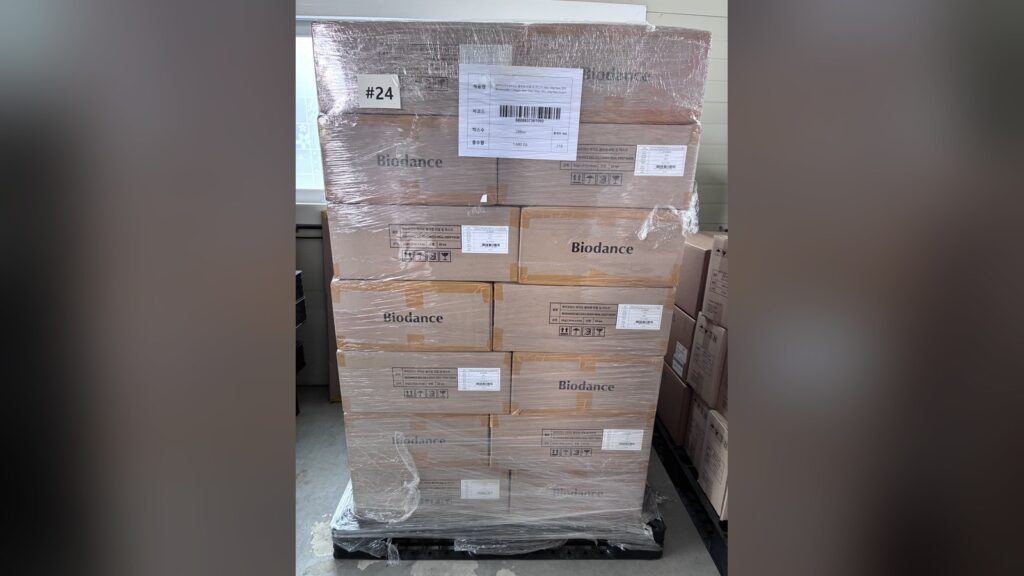
This one is not a composite. The photographs below were taken on 18 August 2026 in the warehouse our Korean sourcing team works out of, of stock that is on its way out. We are publishing them because the questions a US buyer should be asking about a K-beauty order are all visible on a pallet, and almost none of them are visible on a line sheet.
Most sourcing conversations happen in a spreadsheet. Brand, SKU, unit cost, MOQ, lead time. That document is necessary and it is also the least informative artifact in the whole transaction, because every supplier’s spreadsheet looks competent. The pallet is where competence either exists or does not.
The count that matters is units, not cartons
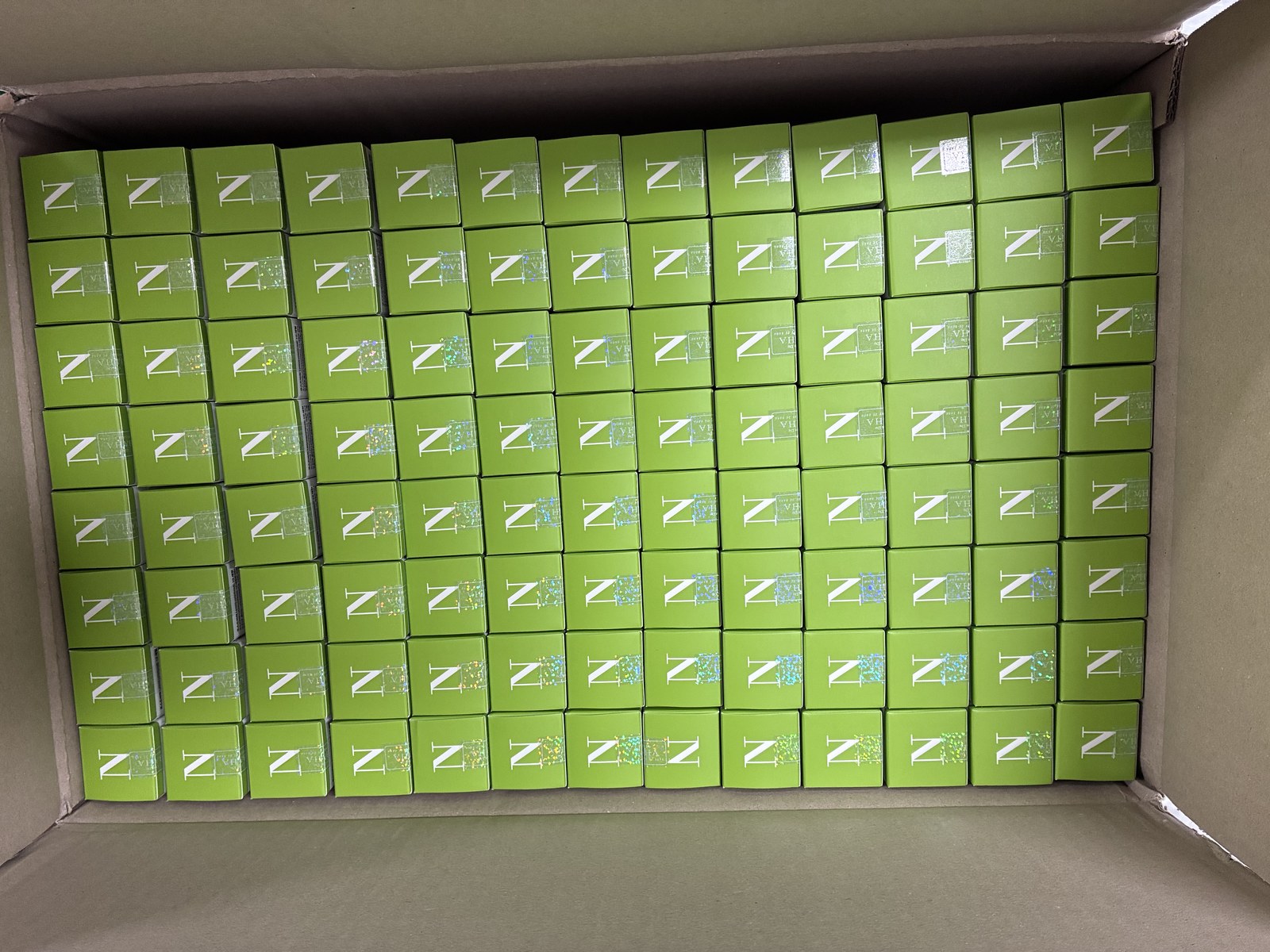
The pallet in the hero image carries 28 master cartons at 60 units each. That is 1,680 sellable units, on pallet 218, tagged #24 for the loading sequence. Every one of those numbers is printed on the outside of the wrap before the pallet moves, which is the entire point of printing them.
Cartons are the unit of freight. Units are the unit of business. When a shipment arrives short, it is almost never short by a carton, because a missing carton is obvious on a bill of lading. It is short by units, inside a carton that was packed against a target rather than counted against one. If your supplier can only tell you how many boxes are coming, they are describing the truck, not the inventory.
Ask for the unit count and the units per carton as separate figures, and ask for them before the freight is booked. The arithmetic should close without anyone doing mental math on a call.
Every bottle carries its own file
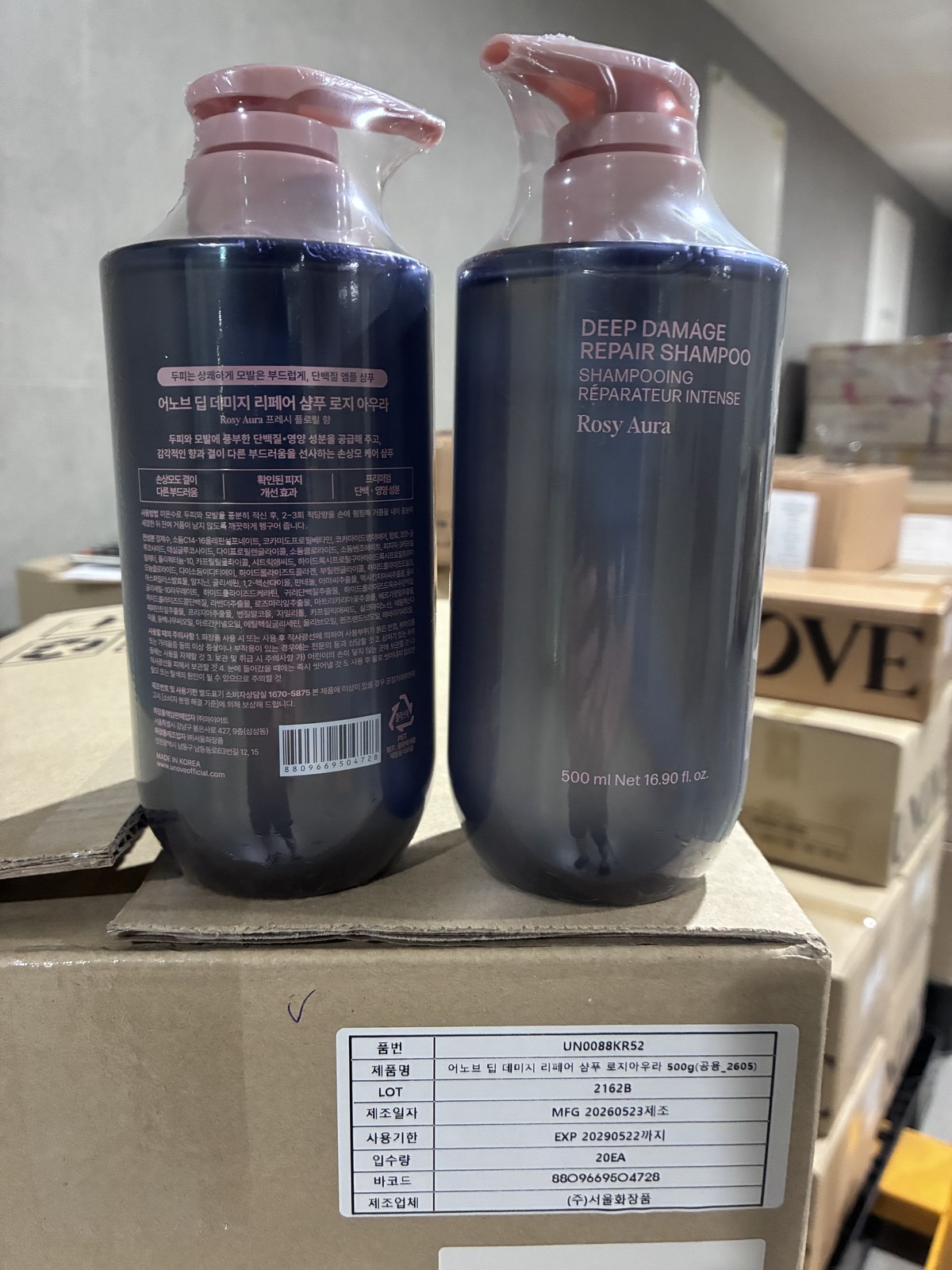
The carton label on this shampoo pallet carries an item code, a lot number, a manufacture date, an expiry date, a units-per-carton figure, a barcode and the name of the manufacturing company. Six of those seven fields will matter to somebody in your business within the first year.
- The customs broker wants the item code and the barcode to line up with the commercial invoice and the packing list. A mismatch is a hold, and a hold on beauty stock is a hold in a warehouse you are paying for.
- Your retail floor wants the expiry date, because Korean cosmetics commonly ship with a stated shelf life from manufacture rather than an open-ended best-before. Stock that arrives with fourteen months left is a different asset from stock that arrives with thirty.
- Your compliance file wants the lot and the manufacturer. If a consumer reports a reaction, the lot number is the difference between quarantining one batch and quarantining your entire investment in the brand.
None of this is exotic. It is printed on the box. The failure mode is not that the information does not exist, it is that nobody on the buying side asks for a photograph of the carton label before the money moves, and then discovers at intake that the lot coding does not match anything in their system.
One brand is not one product
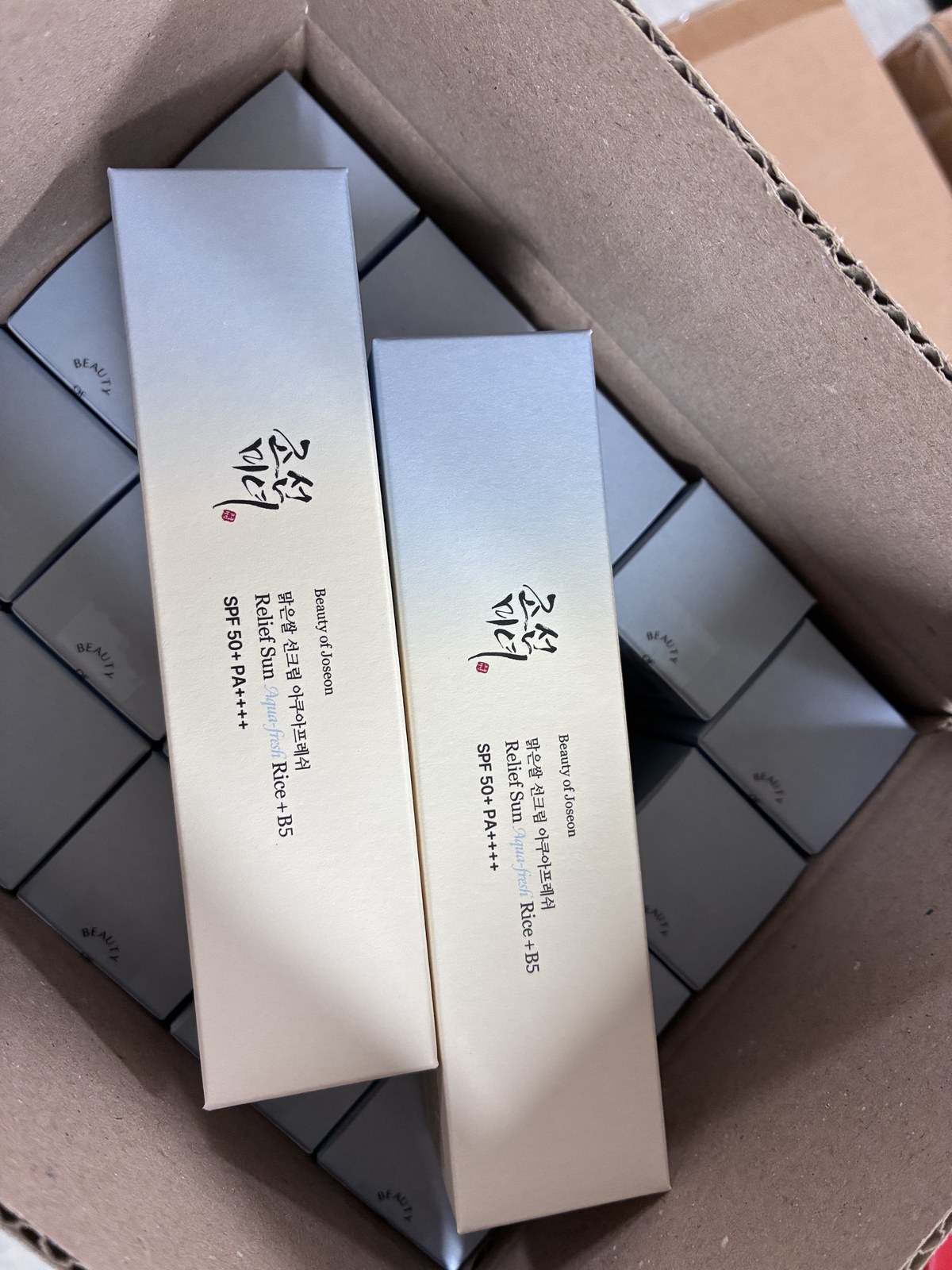
Two versions of the same Korean sun care line went out in this shipment. Same brand, same shelf, different formula and different customer. That distinction is invisible on a roster and decisive on a retail floor.
This is the step where most import deals quietly go wrong. A buyer selects a brand, the supplier ships the brand’s bestseller in Korea, and the bestseller in Korea is calibrated for a customer who is not the customer walking into a Scottsdale med spa. Korean rate of sale is a useful signal about a brand. It is a poor signal about which SKU belongs in your assortment.
The decision is merchandising, not sourcing, and it should be made against your own client base: skin type mix, price ladder, what your team is comfortable recommending in a five minute consultation, and what you can actually reorder without a new MOQ negotiation. A good sourcing partner will argue with you about SKU selection. A freight forwarder with a brand list will not.
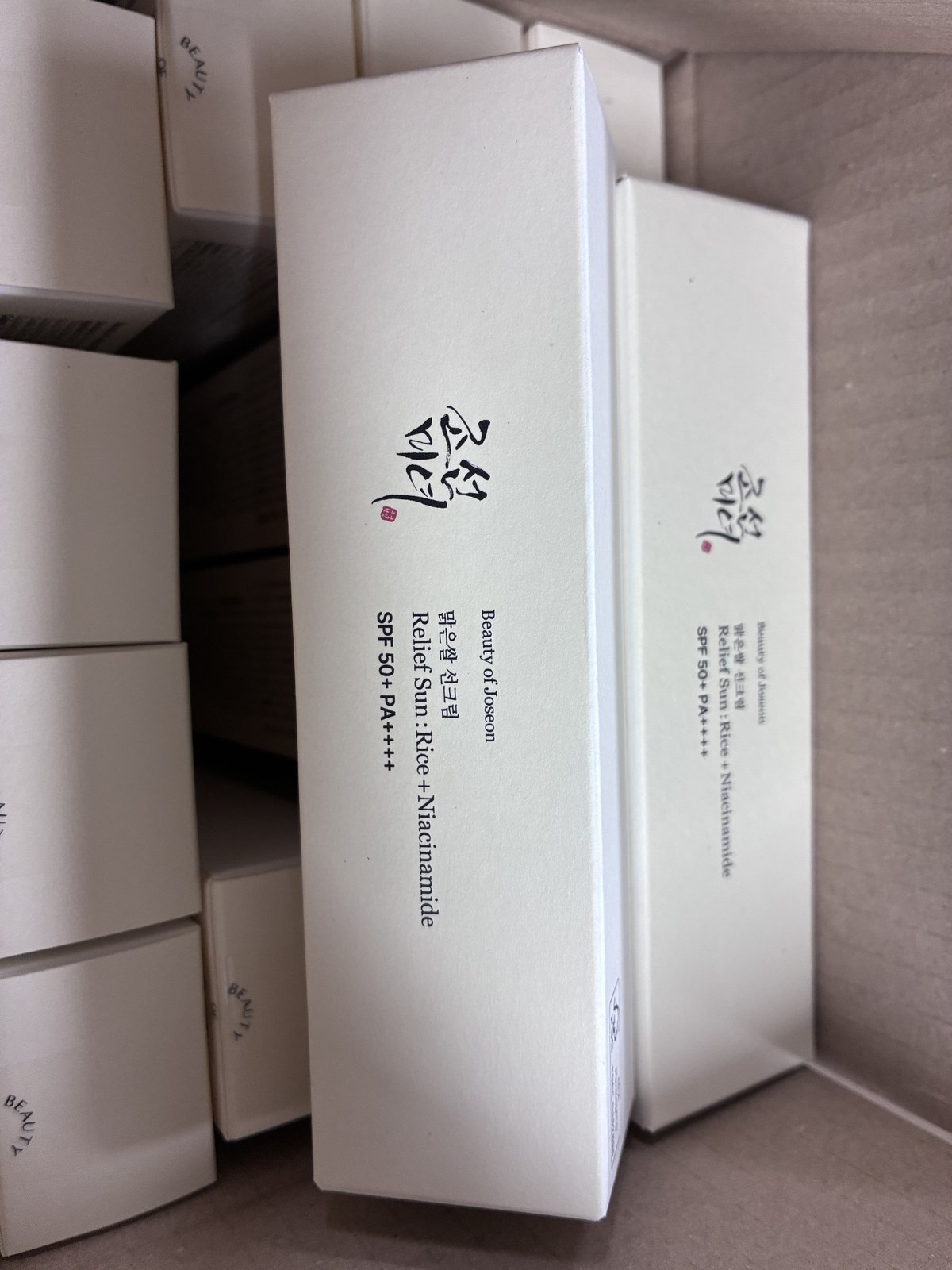
The line that catches people: sun care is a drug here
In Korea, a sunscreen is a cosmetic, held to a functional cosmetics standard, tested and labelled with SPF and PA ratings. In the United States, a sunscreen is an over-the-counter drug. Same tube, same formula, different regulatory universe.
What follows from that is not a footnote. Sun care sold in the US is expected to conform to the OTC monograph framework, which governs which UV filters may be used and at what concentrations, and it carries a Drug Facts panel rather than a cosmetic label. Several UV filters that are ordinary in Korean and European formulas have never been added to the US monograph list. A product can be excellent, popular, and entirely legal in Seoul while being a product you cannot simply place on a shelf in Phoenix.
This also means sun care does not travel down the same paperwork path as the rest of the order. The MoCRA facility registration and product listing route that covers your cleansers and serums is the cosmetic route. A sunscreen sits in the drug lane, with its own registration, listing and labelling expectations.
The practical consequence is a scheduling one. This is a decision that belongs at the assortment stage, before a container is booked, not at the port. Reworking labelling on landed stock is expensive when it is possible at all.
The above describes how product categories are treated in general terms and is not legal advice. Confirm the classification and labelling requirements for your specific formulas with qualified counsel or a regulatory consultant before you commit to an order.
What to ask before your next order ships
None of the questions below require you to be an import specialist. They require you to have seen a pallet.
- How many units, and how many units per master carton? Confirm both figures separately.
- Send a photograph of the carton label. Confirm the lot, manufacture date and expiry before payment, not at intake.
- How much shelf life will be remaining on arrival, given the transit and customs window you are quoting?
- Which specific SKUs, and on what basis were those chosen for my customer rather than for the Korean market?
- Does any part of this order fall outside the cosmetic category in the United States, and who is handling that filing?
- Who is the Importer of Record, and who holds the registration and listing obligations?
A supplier who can answer all six from memory has shipped into the United States before. A supplier who has to check is not disqualified, but the checking should happen now rather than while your stock sits at a port.
Why we photograph our own freight
Luxmetics is not a brokerage sitting between two emails. Our sourcing team is in Korea, in the warehouse, in the same time zone as the manufacturer, which is why we can put a photograph of this week’s outbound stock on our own website. The pallet is the product. Everything before it is a proposal.
If you are building a Korean beauty assortment for next season and the questions above landed uncomfortably, that is the conversation to have now, at the assortment stage, while every one of them is still cheap to answer.