

Calming, Glowing, Firming, Tightening, Rejuvenating, Pore Perfecting, Hydrating, Plump. Read the front panels of the sixteen boxes in this month’s shipment and that is the entire list of what they say about themselves, and every word on it is an adjective. None is a verb. No box says what it does to the skin underneath, only how the skin will look and feel on top. That restraint was not a copywriter’s choice. It is the outer edge of what a cosmetic is permitted to be in the United States, and each brand drew that edge before the ink went on.
For a spa, the box is only the first of three places where cosmetic claims are made. The second is the printed service menu. The third is the sentence an esthetician says with their hands on a client’s face. The brand controls the first. You control the other two, and the law reads all three the same way.
Appearance on one side, structure on the other
US federal law sorts a product by its intended use, and intended use is read from everything said about it: the label, the website, the menu, the consultation. A cosmetic is an article intended to cleanse, beautify, promote attractiveness or alter the appearance. A drug is an article intended to affect the structure or any function of the body, or to diagnose, treat, mitigate, cure or prevent disease. A product can be both, and sunscreen is the everyday example. The Madeca Derma Shield Vital Capsule Sun Essence in this shipment reads “Broad Spectrum SPF 45” and “Net Wt.” on its box because a sunscreen in the US is an over-the-counter drug, and the box was printed to say so.
The other fifteen boxes stay on the cosmetic side by describing appearance. “Firming” is how skin looks. “Rebuilds collagen” is a statement about what happens beneath it. “Calming” is how skin feels. “Reduces inflammation” names a biological process. Each pair is a few letters apart and a regulatory category apart, and the second half of each pair is the one a team reaches for when a client asks how the product works.
The definitions above are general background rather than legal advice. Whether a specific product, claim or menu line falls on the cosmetic or drug side is a question for qualified counsel.
Where cosmetic claims turn into drug claims: two places you own
Nothing has to change on the box for a cosmetic to become an unapproved drug. Wording does it alone, and the two places where the wording lives are the chair and the menu.
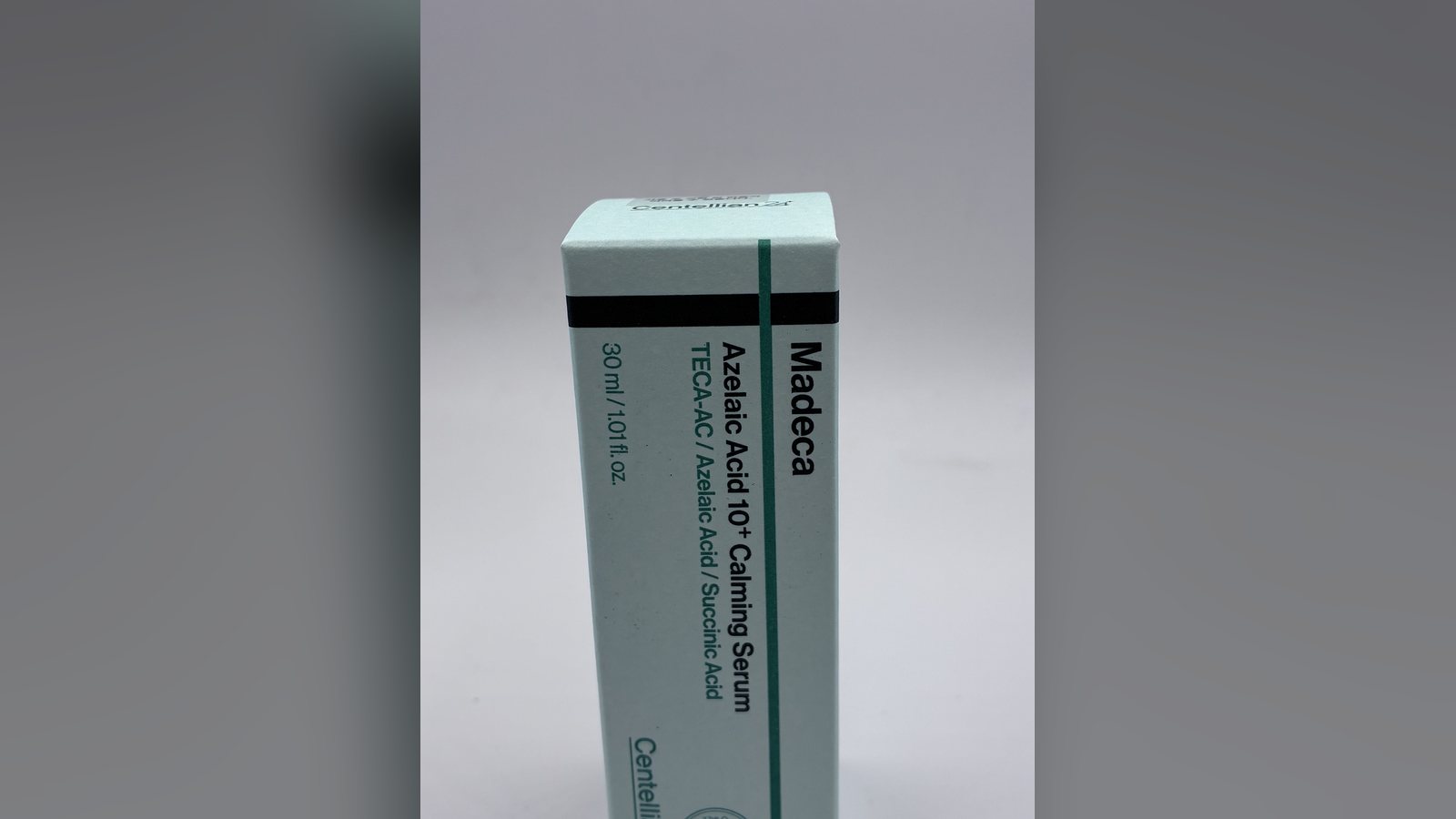
At the chair, the Madeca Azelaic Acid 10+ Calming Serum is the clearest case in the carton. Azelaic acid at or under roughly ten percent is sold as a cosmetic in the US; at fifteen and twenty percent it is a prescription drug approved for rosacea and acne. The serum’s box says “Calming” and nothing more. The moment an esthetician says “this is what we use for rosacea,” they have named a disease, attached it to a cosmetic, and made a claim the manufacturer deliberately did not make. The formula did not move. Them sentence moved it across the line.
On the menu, the mechanism is the same, except that it is printed and it is permanent. A service called “Redness Repair Facial” or “Collagen Rebuilding Treatment” makes a structure or function claim about every product used inside it, and a menu is a piece of labeling that anyone, including a regulator or a competitor, can photograph.
The azelaic acid thresholds above are described in general terms and are not legal advice; how a specific product or service description would be classified is a question for qualified counsel.
Three habits that keep the vocabulary on the cosmetic side
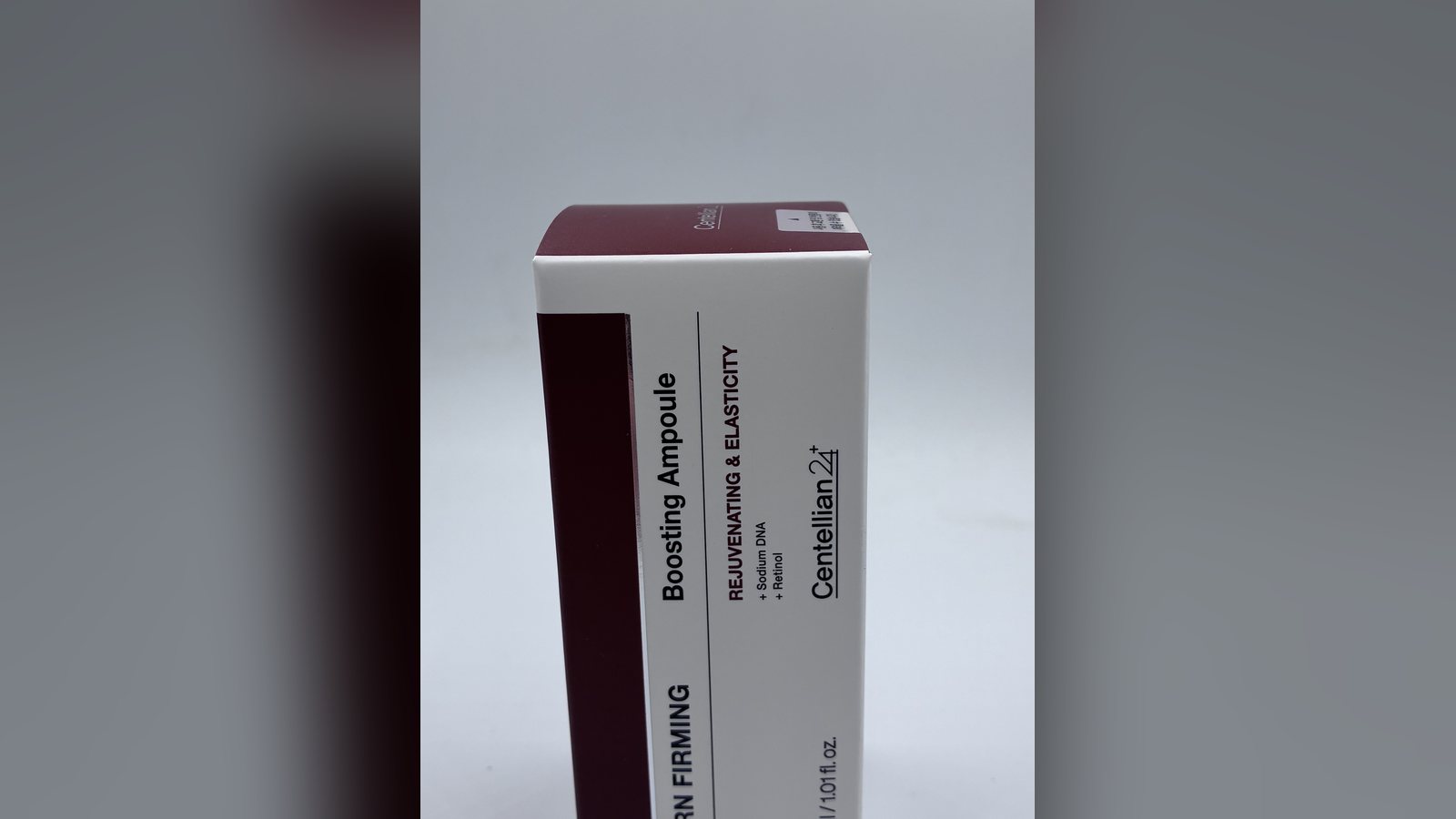
Repeat the box. If the pad says “Tightening”, the word at the chair is tightening. The PDRN Firming Boosting Ampoule says “Firming” and “Rejuvenating & Elasticity”, and those are the words a team may use about it, because the brand has taken responsibility for them on a printed label. Anything stronger is a claim the spa is making alone, with no manufacturer behind it.
Describe what the client will feel and see. “Your skin will feel cooler while this is on and look more hydrated when you leave” is an experience report. It is checkable in the mirror and it makes no statement about biology.
Never diagnose. “You have rosacea” is a diagnosis and sits outside an esthetician’s scope of practice. “You mentioned your skin flushes easily” is listening. The first sentence turns whatever comes next into a treatment claim; the second leaves the client’s own words in charge. The word “for” is the tell. A product “for acne” is a claim. A product “if you like a lighter texture” is a preference, and the cosmetic claims stay where the brand left them.
A word list for the training binder
- Adjectives to keep, because they are printed: Calming, Glowing, Firming, Tightening, Rejuvenating, Pore Perfecting, Hydrating, Plump. Use each one exactly as it appears, on the SKU it appears on.
- Verbs to retire: treat, heal, cure, repair, rebuild, reverse, prevent, correct. None appears on any of the sixteen boxes, and that absence is deliberate.
- Comparisons to retire: “prescription strength”, “like the injectable”, “medical grade”. The TECA-RETINOLSOM 0.2+ Firming Serum is a cosmetic retinol product, not tretinoin. Topical PDRN sold and labeled as a cosmetic is a cosmetic; injectable PDRN is a separate, unapproved category, and a sentence that links the serum to the shot borrows a claim from the wrong lane.
- Diagnoses to retire: rosacea, acne, melasma, eczema, dermatitis. If the client uses one of these words, acknowledge it and return to what they will see and feel.
Print the list, put it beside the retail shelf, and read the menu against it once a quarter. Cosmetic claims drift upward one adjective at a time, usually with the best intentions, and a quarterly read is cheaper than a warning letter.
The categories above are general information, not legal advice; confirm each SKU’s classification and labeling with qualified counsel.
Same words, box to chair
The discipline is smaller than it sounds. The brands have already written the permitted vocabulary and printed it on the pack, and a team’s job is to not improve on it. Luxmetics reviews the label and lane of every SKU before an order ships and briefs the operator’s team on the printed claim set and the regulatory lane of each product, so that the training binder and the box say the same thing.
Not sure which words on your shelf are cosmetic claims? Luxmetics reviews every SKU for claims and packaging artwork against current US rules and gives you an itemized gap report, with claim revisions where needed. See how our compliance audit works.