
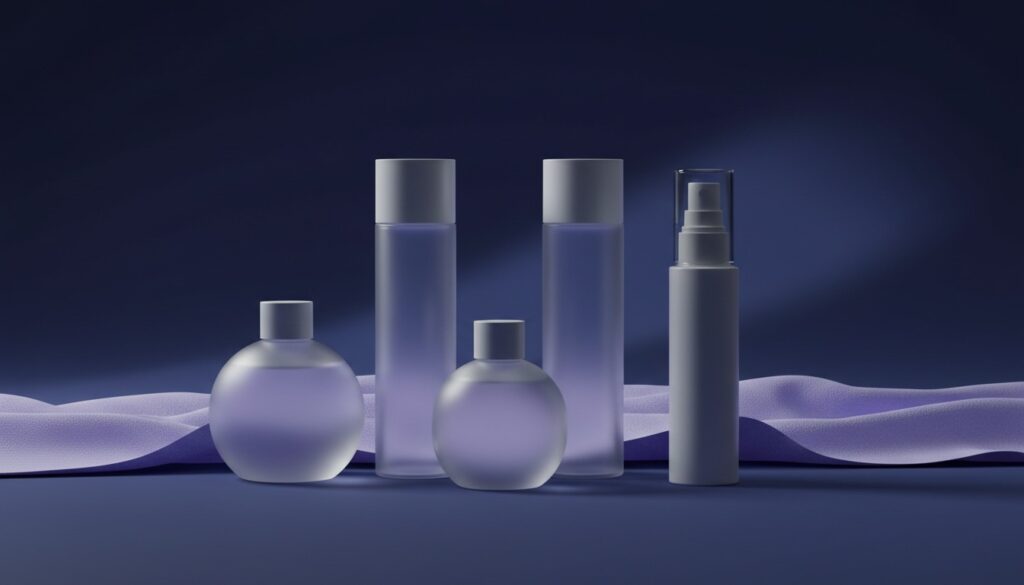
The skinification story has a next chapter, and it is the largest surface on the body. We have written about the scalp being treated like skin. Now the same logic is moving to the arms, legs, and torso. Body care, long the sleepy aisle of basic washes and lotions, has become one of the fastest-growing categories in Korean beauty, and it is growing because consumers stopped accepting that the neck-down deserves less than the face. For a U.S. importer, this is a category where the demand is real, the format innovation is genuinely Korean, and the claims risk is lower than the trends we covered last week.
What “body skinification” actually means
Skinification is the application of facial skincare ingredients, techniques, and standards to the body. In practice that means the actives that used to live only in a face serum, peptides, niacinamide, fermented extracts, and real sun-care texture, are now being formulated into products for a much larger surface. The tell is in what is selling. Retail data from Olive Young, Korea’s dominant beauty retailer, shows body care as one of its fastest-growing categories in 2025 and 2026, and the growth is being driven by body serums and treatment lotions, not basic body wash. The category is trading up.
The format innovation is where Korea’s manufacturing base shows its advantage:
- Body ampoules with concentrated actives, borrowed directly from the prestige face-ampoule format.
- Body essence sprays that apply quickly over a large area, solving the practical problem that a serum texture is tedious to spread across the whole body.
- Body sunscreen that finally gets the lightweight, quick-absorbing texture facial K-SPF has had for years, which matters because pleasant texture is what turns daily body SPF from an intention into a habit.
Why it is breaking out now
Two things are converging. The consumer who spent five years learning an elaborate facial routine has run out of new face to treat, and the obvious next surface is the body. At the same time, the broader mood in skincare has shifted from punishment to repair. The “freeze, peel, and purge” mindset, harsh exfoliation and irritation as proof a product is working, is losing relevance, and consumers increasingly want regeneration rather than stripping. That shift favors exactly the gentle, active-rich, barrier-supporting formulations Korean labs are good at, and it applies as naturally to the body as to the face.
The operator’s caution: a real category, but not a license to relabel
The good news is that body care is a lower-risk claims environment than the microbiome or longevity categories. A body serum marketed on smoother, more hydrated, healthier-looking skin sits comfortably in the cosmetic lane. But there are two traps. The first is body sunscreen: in the U.S., sunscreen is an OTC drug, so a Korean body SPF carries the same regulatory weight as facial K-SPF, and the same trap of a foreign SPF rating that does not transfer to the U.S. system. We covered this in our K-SPF piece and it applies identically here. The second trap is lazy sourcing, taking a face formula, putting it in a bigger bottle, and charging a premium. The category is growing because the products are genuinely better than old body lotion, not because “body serum” is a magic phrase. The sourcing job is to qualify formulations built for the body, at a cost that supports the larger volume a body product uses per application.
What this means for sourcing
- Source the elevated formats, not relabeled lotion. Body ampoules, serums, and essence sprays are what is driving the growth. A bigger bottle of basic lotion is not the trend.
- Treat body SPF as the drug it is. Korean body sunscreen is an OTC drug in the U.S. Do not let a foreign SPF number or a cosmetic mindset carry it onto a U.S. shelf without OTC compliance.
- Model the usage economics. A body product uses far more per application than a face serum. The per-unit cost and pricing have to work at body-sized doses, not face-sized ones.
- Ride the “regeneration, not punishment” mood. Gentle, barrier-supporting, active-rich formulations are both where the consumer is heading and where Korea’s formulation strength lies. Source to that, not to harsh exfoliating gimmicks on their way out.
The operator’s view
Body skinification is the most straightforward of the current K-beauty growth stories: a large, previously neglected category trading up to real actives and better formats, with a lower claims risk than the face-side trends, provided you respect the sunscreen line. Korea makes the elevated formats driving it, and the consumer mood favors exactly Korea’s gentle, active-rich approach. The winners will source genuinely better body formulations rather than relabeling face products into bigger bottles.
How Luxmetics fits is narrow and practical: we work the Korean manufacturing base behind body ampoules, serums, and next-generation body sun care, qualify formulations built for the body at usage-realistic cost, and keep body SPF on the right side of the U.S. OTC rules. The category is real and the surface is large. Sourcing the better product, not the bigger bottle, is the work.