
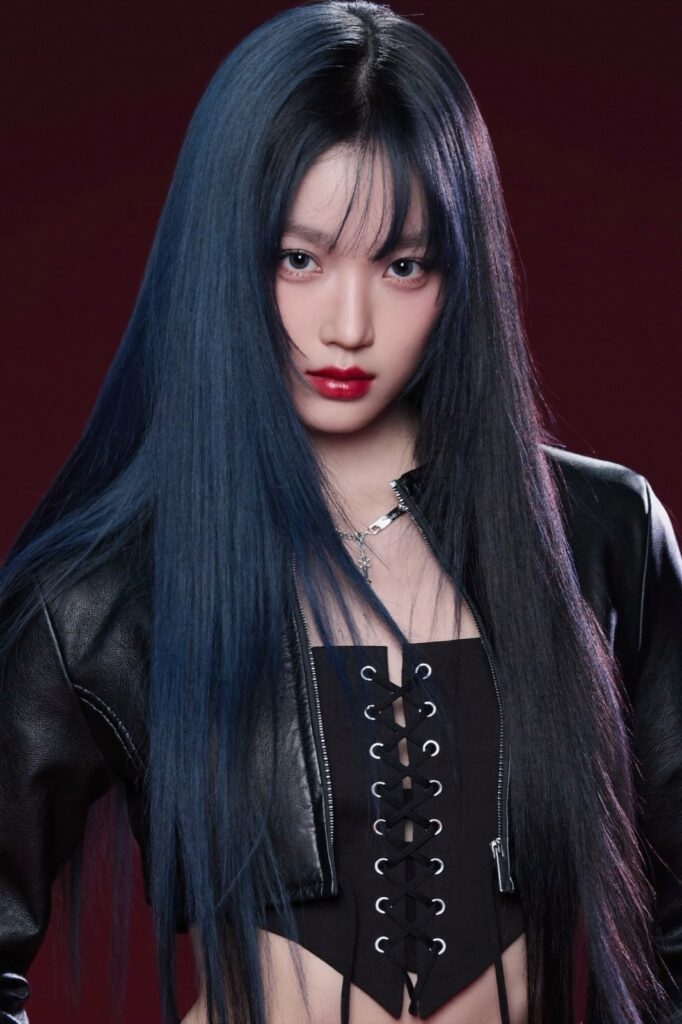
Trends is where we read the signals shaping how Korean beauty reaches the U.S. buyer. This one is about a face — specifically, a face that does not exist. Meet NOA, the AI-generated virtual idol who fronts the Korean haircare brand Gache, and what her arrival says about the next marketing channel for K-beauty. NOA is a computer-generated character, not a real performer; we say so plainly, because how brands disclose that is fast becoming part of the story.
For five years, “K-beauty in America” has been a story about products — a sulfate-free formula, a PDRN serum, a scalp-care ritual crossing from a Seoul lab to a U.S. shelf. The next chapter is about who introduces those products. Increasingly, it is not a celebrity, an influencer, or a founder on camera. It is a virtual persona the brand owns outright — always on-message, never off-script, and built frame by frame to embody the product itself.
Gache, the sulfate-free Korean hair ritual we have profiled before, now has exactly that: a brand muse named NOA.
Who — or what — is NOA
NOA is an AI virtual idol created for Gache: a “glow-noir” K-pop persona with a defined look, a long glossy mane, and a consistent on-brand identity across photo and video. She is not a real K-pop artist and is not presented as one. She is a designed asset — generated, art-directed, and kept consistent so that every post, banner, and clip reads as the same character. Think of her less as a spokesperson and more as a logo that can smile, turn, and walk.
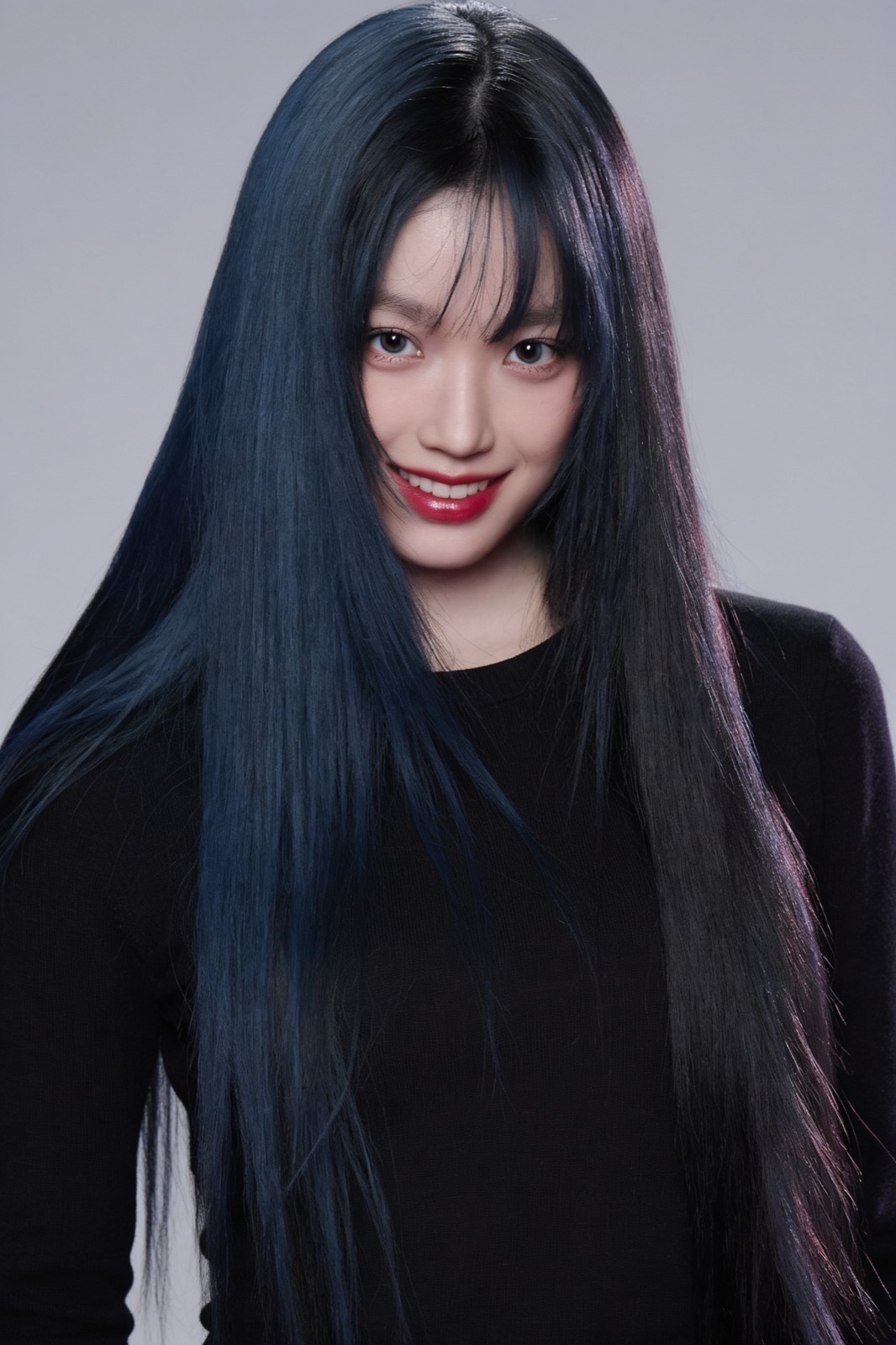
That distinction matters commercially. A human ambassador rents you their audience and their reputation, on their schedule, with their risk. A virtual idol is owned media: no booking fees per shoot, no scheduling, no scandal exposure, and total creative control over wardrobe, setting, and message. For a brand building a U.S. presence on a tight budget, that economics is the whole point.
This is a trend, not a one-off
NOA sits inside a real, fast-growing category. Virtual humans have already fronted mainstream campaigns: Lil Miquela built a multi-million-follower following and brand deals in the U.S.; Korea’s own Rozy (로지) appeared in national insurance advertising; Japan’s Imma has worked with global fashion houses. What was a novelty in 2021 is now a line item in marketing plans, and beauty — a category sold on aspiration, repetition, and visual consistency — is one of its most natural homes.
The logic is simple. Beauty content demands volume: dozens of assets a month across Instagram, TikTok, Amazon, and retail. A virtual face produces that volume without a studio day for each shoot, holds the exact same look across a year of content, and can be localized — outfit, setting, season — without reshooting. For a Korean brand that wants to look present and premium in the U.S. before it can afford a U.S. media team, a virtual idol is a force multiplier.
Why a haircare brand, of all things
Here is the part that makes NOA more than a gimmick: for a haircare brand, the model is the demo. NOA’s defining visual feature is her hair — long, dense, mirror-glossy, with the kind of finish the category spends entire ad budgets trying to show. When she fronts a shampoo-and-conditioner line, the proof and the pitch are the same image. That is a luxury a skincare or device brand rarely gets from a single asset.
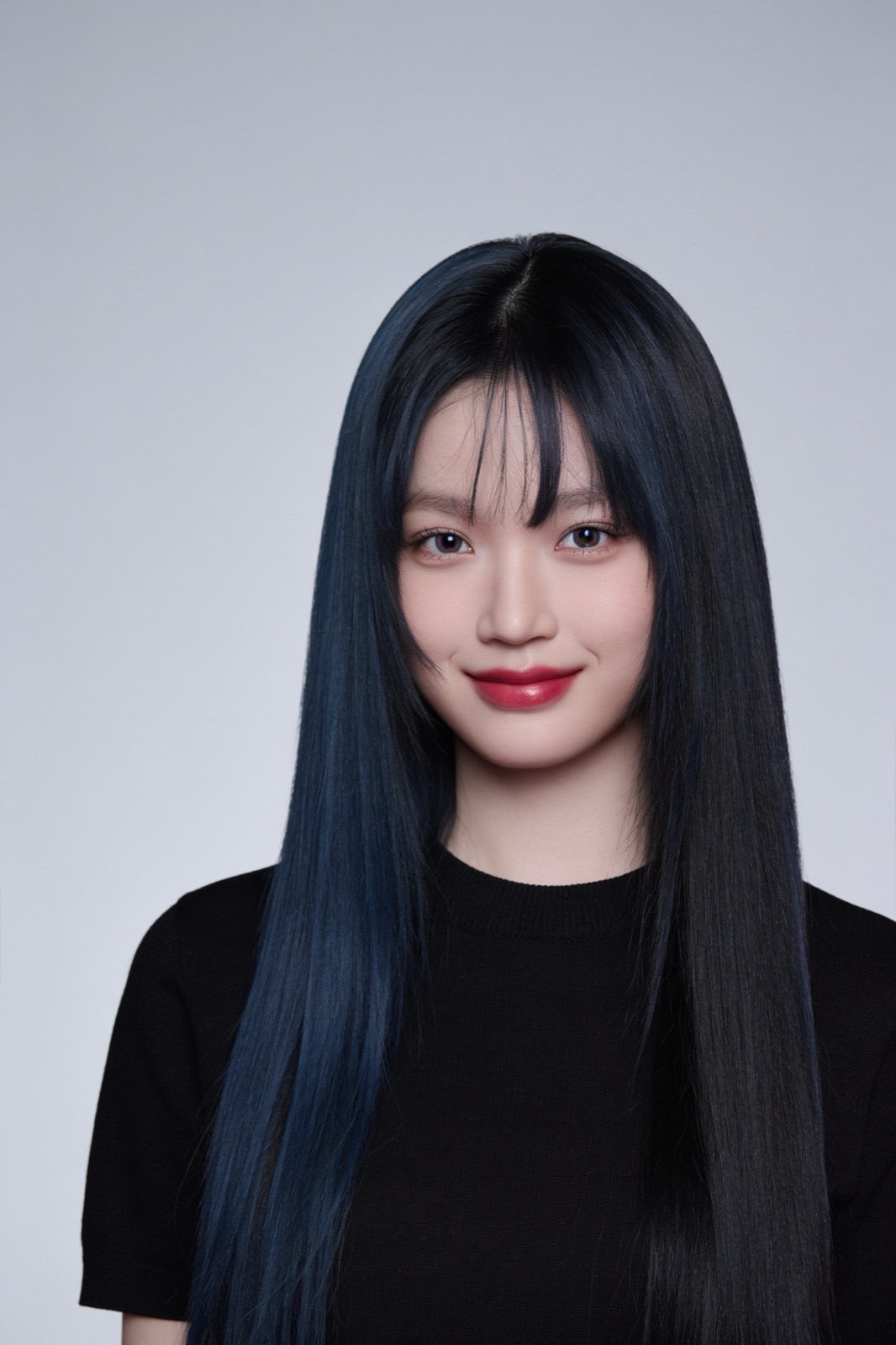
It also lands precisely on Gache’s line: great hair is the crown you never take off. A character built around an immaculate crown of hair is the cleanest possible expression of that promise — and unlike a real model, her “results” never have an off day.
What NOA actually recommends
The product behind the persona is unchanged from the brand we know. Gache’s hero is the Duo: a Daily Clarifying Shampoo that uses changpo (Acorus calamus) to lift buildup and rebalance the scalp, and a Glow & Nourish Conditioner that uses camellia (Dongbaek) oil to restore moisture and shine — finished with a signature scent of pear and apple over freesia and rose. The line is sulfate-, silicone-, and paraben-free, KOTITI-tested, and made in Korea, built for every hair type and every day.
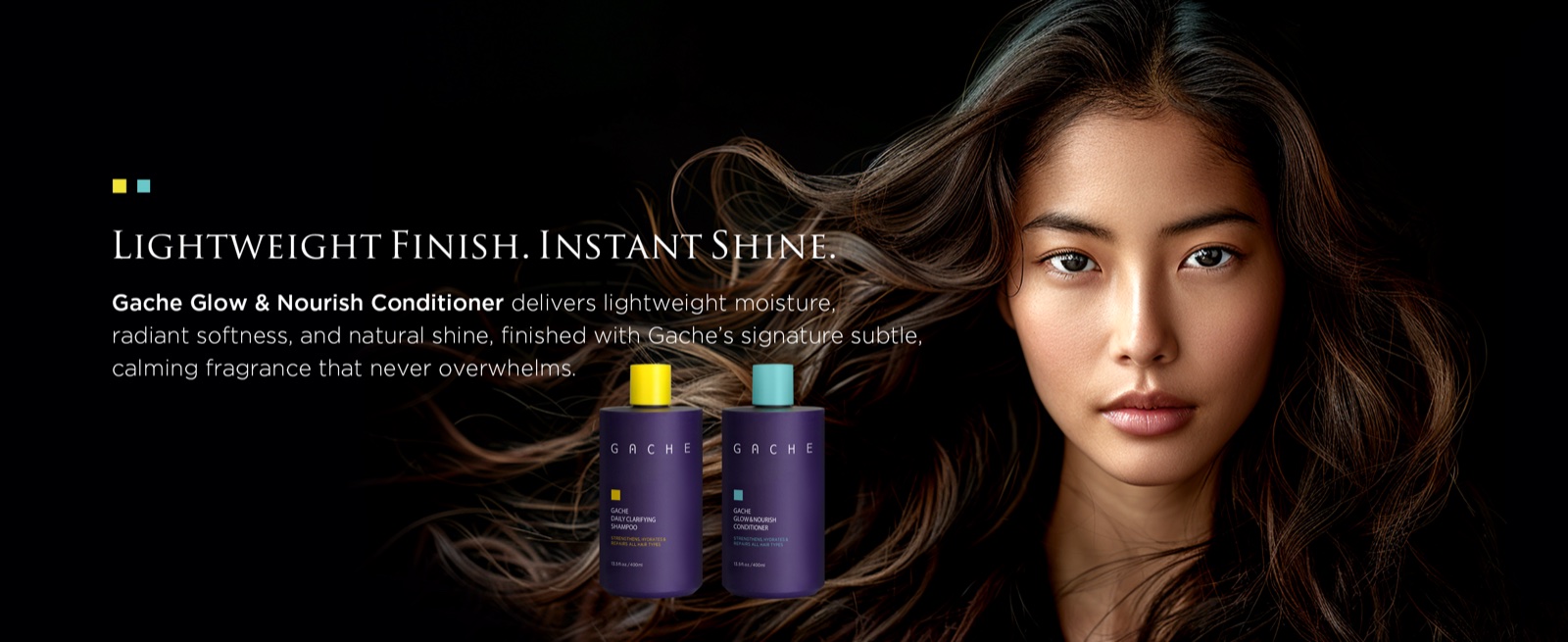
NOA’s job is not to add a claim; it is to make that ritual desirable — to give a clean, heritage-led formula a face that the K-pop-fluent U.S. shopper instantly recognizes as aspirational. The substance stays honest; the storytelling gets a consistent star.
What U.S. buyers and operators should take from this
Two practical reads for anyone selling or buying beauty in the U.S.:
- Virtual personas are a channel, not a stunt. If a Korean brand arrives with a polished, consistent virtual face, it is signaling that it can produce U.S.-ready content at volume without a local agency — a real advantage on a crowded shelf and a busy retail calendar.
- Disclosure is now part of the playbook. The FTC’s endorsement guidance applies to AI-generated and virtual influencers just as it does to human ones: an audience should not be misled into thinking a fabricated character is a real person making real claims. Brands that label virtual idols clearly — as we have here — protect themselves and build trust; brands that blur the line invite both regulatory and reputational risk.
- Authenticity still has to be earned. A virtual face can carry awareness and aesthetics, but a daily haircare purchase is ultimately won on results, reviews, and reorder. The persona opens the door; the formula has to keep the customer.
How Luxmetics reads it
We bring curated Korean brands into U.S. retail and professional channels — handling MoCRA, Importer of Record, pricing, and distribution — and part of that work is judging how a brand will show up in the U.S., not just whether its formula clears compliance. A brand like Gache pairing an honest, well-made product with a modern, clearly-disclosed marketing engine is exactly the kind of partner that travels well. NOA is a sign of where K-beauty storytelling is going; the bridge underneath it — compliance, logistics, channel — is the work we do for every brand we carry.