
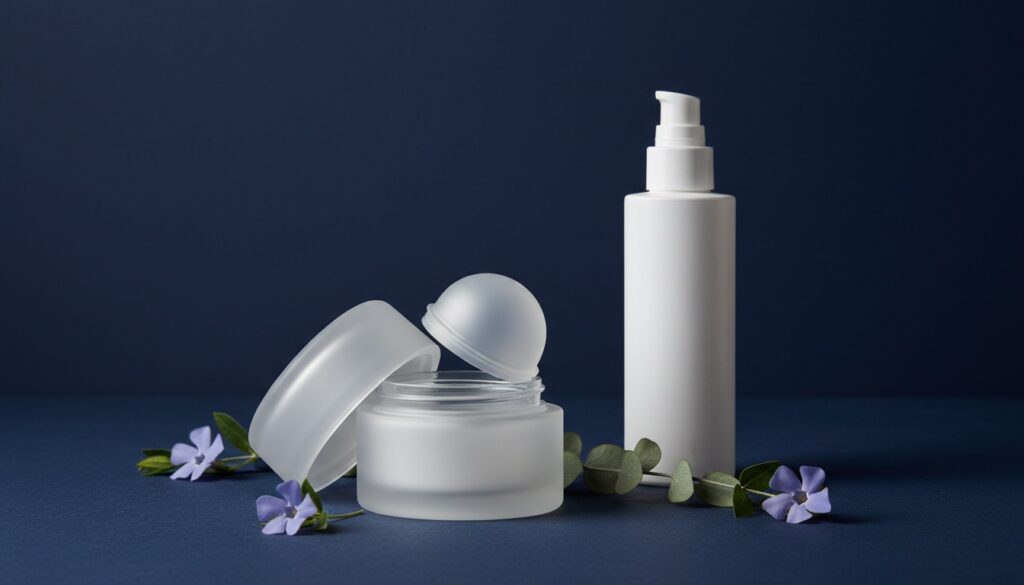
K-beauty built its reputation partly on packaging, the jewel-like jars, the clever droppers, the unboxing worth filming. In 2026 that same instinct for packaging is turning toward sustainability, and refillable formats are moving from a marketing gesture to a real category. For a U.S. importer, this is a trend with genuine consumer pull and a genuine operational catch, because the thing that makes refillable packaging good for the planet is the same thing that makes it hard to ship across an ocean.
What is actually changing
The packaging conversation in 2026 is defined by a handful of concrete shifts: refillable systems, mono-material designs that are actually recyclable, biodegradable and compostable materials, and tech-enabled transparency about what a package is made of. Korean beauty’s biggest players are moving, not just indie brands. Amorepacific has launched lines with compostable secondary packaging and refillable glass jars, and LG Household & Health Care is investing in plant-based polymers that perform like plastic but break down. Newer Korean brands are being built refill-first, designed around a durable outer vessel and a replaceable inner pod. The consumer signal is strong enough to justify it: surveys show a majority of beauty consumers in many markets now prioritize sustainable packaging in their choices.
Why it is more than greenwashing this time
Sustainable packaging has been promised before and mostly delivered a recycled-content claim on the same plastic bottle. What makes 2026 different is that the formats are structurally different, not just relabeled. A true refill system, a durable outer shell plus a cheap replaceable inner, changes the unit economics and the waste profile in a way a “30% recycled” sticker never did. Mono-material design actually makes a package recyclable instead of technically-recyclable-but-never-recycled. For a brand, this is a real point of differentiation with the values-driven U.S. consumer, and for the categories where it fits, it can lower the per-refill cost of goods once the durable component is amortized across multiple refills.
The operator’s caution: refillable and importable are in tension
Here is the catch an importer has to see clearly. The environmental win of a refill system comes from shipping less material on each repurchase, a small refill pod instead of a whole new bottle. But a Korean product still has to make the first trip across the Pacific, and refill formats introduce sourcing frictions that a simple bottle does not:
- The durable component is heavier and more fragile. A premium refillable outer shell, often glass or a substantial vessel, costs more to ship and breaks more easily in transit than a lightweight tube. The sustainability math that works for a domestic refill can be undercut by transpacific freight on the durable part.
- Refills need a system, not just a SKU. A refill only helps if the customer can reliably buy the refill, which means the importer has to keep two linked SKUs in stock in the right ratio. Sell out of refills and you have stranded customers holding an empty durable shell, which is worse for loyalty than a plain bottle.
- Claims still have rules. “Compostable,” “biodegradable,” and “recyclable” are increasingly scrutinized environmental claims in the U.S., and a loosely worded sustainability claim carried over from Korean marketing can create the same kind of exposure as an overreaching skincare claim.
What this means for sourcing
- Match the format to the freight. Refillable systems work best sourced for products and price points where the durable shell’s shipping cost and breakage risk are absorbable. For light, low-price SKUs, a mono-material recyclable design may deliver more of the benefit with less of the friction.
- Source the refill system as a linked pair. Plan durable-to-refill inventory ratios deliberately. A refill program that runs out of refills is worse than not offering one.
- Vet the sustainability claims like any other claim. “Compostable” and “recyclable” have to be accurate and defensible for the U.S. market, not inherited from Korean copy.
- Start where the values consumer already is. Refillable formats resonate most in premium, routine-driven, repeat-purchase categories. That is where the durable component amortizes and the loyalty payoff is real.
The operator’s view
Sustainable and refillable packaging is a real trend this time because the formats genuinely changed, and Korea’s major players are behind it, which gives importers credible product to source. But refillable and importable pull against each other: the durable component that makes a refill sustainable is the expensive, breakable thing you have to ship across an ocean and keep matched with its refills. The winners will source refill systems where the freight and inventory math actually works, rather than importing a beautiful refillable shell that loses its sustainability advantage somewhere over the Pacific.
How Luxmetics fits is narrow and practical: we work the Korean manufacturing base building refillable and mono-material packaging, help match the format to the freight and price point so the sustainability advantage survives the shipping, and keep the environmental claims defensible for the U.S. market. The refill trend is real. Sourcing it so it still makes sense after the ocean crossing is the work.